
The psychological toll of gambling understanding its profound effects on players' minds – Pinco Casino
The Nature of Gambling Addiction
Gambling addiction is a complex issue that affects players from various backgrounds. It often begins innocently, with casual bets that lead to a deeper involvement. As players experience the thrill of winning, they may not realize the gradual shift in their behavior until it becomes problematic. This transition from casual gaming to addiction can happen quickly, fueled by the rush of adrenaline and the allure of potential rewards, trapping individuals in a cycle of risk-taking behavior. For those looking for a trustworthy platform, Pinco Bet Canada offers a range of betting options and excellent support.
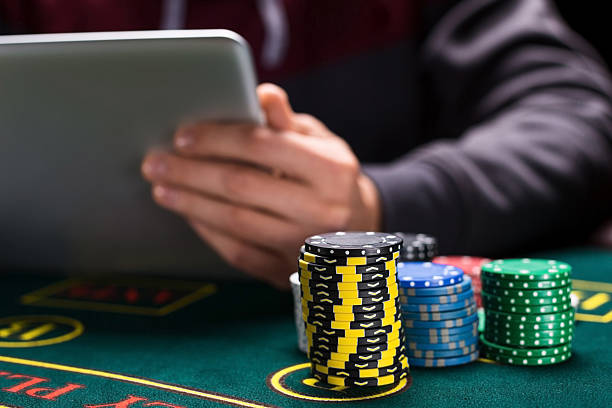
The psychological mechanisms behind gambling addiction involve both cognitive and emotional factors. Many players develop irrational beliefs, such as the idea of being «due» for a win after a string of losses. This cognitive distortion keeps them engaged in betting, as they cling to the hope of future success. Coupled with emotional factors like anxiety, depression, or feelings of inadequacy, the psychological toll of gambling intensifies, pushing individuals further into the depths of their addiction.
Additionally, the social environment plays a significant role in gambling behavior. Peer pressure, societal norms, and exposure to gambling in various forms of media contribute to the normalization of gambling. This can create an illusion of safety, leading individuals to underestimate the potential risks involved. As the gambling culture becomes more prevalent, individuals may find themselves swept up in a community that celebrates wins while ignoring the devastating consequences of losses, further exacerbating the psychological toll on players.
The Emotional Consequences of Gambling
The emotional fallout from gambling can be profound and far-reaching. Players often experience a rollercoaster of emotions, ranging from the highs of victory to the lows of devastating loss. This fluctuation can lead to feelings of hopelessness, guilt, and shame, creating a cycle that becomes increasingly difficult to break. The emotional burden can manifest in various ways, including anxiety, depression, and strained relationships with family and friends. Many individuals find themselves searching for a straightforward Pinco Bet Login to regain control.
The isolation often experienced by problem gamblers can intensify these feelings. As they withdraw from social interactions to hide their gambling habits, they may lose valuable support systems. This isolation can perpetuate a sense of despair, as players grapple with their addiction in silence. The emotional stress can also lead to detrimental coping mechanisms, such as substance abuse or self-harm, compounding the psychological toll and making recovery even more challenging.
Moreover, the financial repercussions of gambling can create significant emotional distress. The mounting debts and financial instability that often accompany gambling addiction can lead to feelings of inadequacy and despair. Players may find themselves engaging in risky behavior, such as borrowing money or even committing fraud, to fund their addiction. This cycle of financial and emotional turmoil becomes a vicious loop, reinforcing the psychological burden that gambling imposes on players.
The Impact on Relationships and Social Life
The psychological toll of gambling extends beyond the individual, affecting relationships and social life. Family members and friends often bear the brunt of a gambler’s addiction. The trust issues arising from deceitful behaviors, such as hiding debts or lying about gambling activities, can fracture relationships. Family dynamics can shift dramatically, leading to a breakdown in communication and emotional connection, as loved ones struggle to understand the compulsive behavior of the gambler. Many people turn to platforms like Pinco Bet And Casino to find engaging alternatives.
Additionally, the stigma surrounding gambling addiction can further alienate individuals from their social circles. Those affected may feel shame and embarrassment, leading them to withdraw from social activities. This withdrawal not only affects the gambler but also impacts their relationships, as friends and family may feel rejected or confused by the sudden distance. This loss of community support can create a profound sense of loneliness, exacerbating the psychological distress faced by the gambler.
Furthermore, the impact of gambling on professional life can be significant. Many individuals struggling with gambling addiction experience decreased productivity, increased absenteeism, and even job loss as their priorities shift. This disruption in their professional life can lead to further financial instability, creating a cycle that exacerbates their emotional turmoil. The combination of strained relationships, social isolation, and professional challenges contributes to the ongoing psychological burden that accompanies gambling addiction.
Strategies for Recovery and Support
Recovery from gambling addiction is a challenging but achievable journey that requires both personal commitment and external support. One of the most effective strategies is seeking professional help through therapy or support groups. Cognitive Behavioral Therapy (CBT) has shown promise in addressing the cognitive distortions associated with gambling addiction, helping individuals reframe their thoughts and behaviors. Support groups, such as Gamblers Anonymous, provide a safe space for individuals to share their experiences and find solidarity in their struggles.
Developing healthy coping mechanisms is also crucial in the recovery process. Engaging in activities that promote mental well-being, such as exercise, mindfulness, or pursuing hobbies, can help fill the void left by gambling. These alternatives can provide a sense of accomplishment and joy, reducing the urge to return to gambling as a means of escape. Additionally, establishing a strong support network can be invaluable, offering encouragement and accountability throughout the recovery journey.
Education about the risks of gambling and awareness of responsible gaming practices can also play a vital role in prevention and recovery. By understanding the psychological effects of gambling and recognizing the signs of addiction, individuals can make informed decisions. Encouraging open conversations about gambling within families and communities can help destigmatize the issue, fostering an environment where seeking help is normalized and supported. This collective effort can significantly reduce the psychological toll of gambling on players and their loved ones.

Pinco Casino: A Commitment to Responsible Gaming
At Pinco Casino, the emphasis on responsible gaming reflects a commitment to player well-being. The platform provides a safe and secure environment for bettors, ensuring that they have the necessary resources to engage in gaming responsibly. By offering tools such as deposit limits, self-exclusion options, and access to support services, Pinco Casino prioritizes the mental health of its players, encouraging a healthy approach to gambling.
Moreover, Pinco Casino actively promotes awareness of the potential risks associated with gambling. Through educational resources and initiatives, the casino seeks to empower players to make informed choices. By fostering a culture of accountability and transparency, Pinco Casino aims to mitigate the psychological toll that gambling can have on its users, ensuring a more positive experience for all.
Ultimately, Pinco Casino recognizes that while gambling can be an exciting form of entertainment, it is essential to approach it with caution and awareness. The casino’s dedication to responsible gaming serves as a model for others in the industry, demonstrating that the welfare of players should always come first. Through ongoing efforts to support mental health and promote responsible gambling practices, Pinco Casino strives to create a sustainable and enjoyable gaming experience for its community.